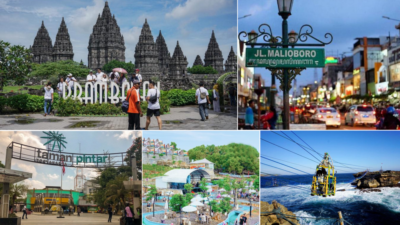


BusinessEconomicsHub – Discover the enchanting city of Yogyakarta, known for its rich cultural heritage and historical significance in Indonesia. This travel guide explores the top must-visit attractions, including UNESCO World Heritage Sites like Borobudur and Prambanan temples. Immerse yourself in traditional Javanese culture with art performances, batik-making workshops, and savor the local delicacy Gudeg. Gain practical travel tips for exploring Yogyakarta in 2026, including the best time to visit, transportation options, and accommodation recommendations. With its unique blend of ancient history and modern influences, Yogyakarta invites travelers to experience its vibrant atmosphere and warm hospitality, making it a must-visit destination for cultural enthusiasts and adventure seekers alike.
Introduction to Yogyakarta: A Cultural and Historical Gem
Yogyakarta, known as a vibrant cultural hub in Indonesia, stands out for its rich history and significant role in the country’s heritage. Located in the central part of Java, Yogyakarta is often referred to as the “Special Region” due to its unique status as a sultanate that preserves a blend of traditional values and modern influences. This fascinating city not only serves as a center for education and the arts but also boasts a diverse array of attractions that cater to a global audience.
The history of Yogyakarta is deep-rooted, exemplified by its ancient temples, palatial structures, and historical sites that tell stories of the past. Notable amongst these is the majestic Prambanan Temple, an exemplary piece of Hindu architecture, as well as the iconic Borobudur, the world’s largest Buddhist temple. These UNESCO World Heritage Sites represent the architectural grandeur and spiritual significance that underpin the region’s cultural identity.
In 2026, visitors to Yogyakarta can expect to discover an eclectic mix of attractions, ranging from traditional markets to contemporary art galleries. The vibrant local markets, such as Malioboro, are famous for their handicrafts, batik textiles, and delicious street food. On the other hand, the rise of modern cafés and artistic spaces reflects the city’s modernization, creating an atmosphere where the old and the new coexist harmoniously.
Tourists exploring Yogyakarta will find a city that embraces its heritage while adapting to contemporary trends. The warmth and hospitality of its people further enhance the appeal, making it a destination that invites exploration and appreciation. As Yogyakarta continues to evolve, it remains a must-visit destination for those seeking a rich cultural experience in Indonesia.

Top Must-Visit Attractions in 2026
Yogyakarta is a vibrant destination renowned for its rich cultural heritage and stunning landscapes. As we look ahead to 2026, several attractions are set to capture the hearts of both local and international travelers. One cannot discuss this enchanting region without mentioning the iconic Borobudur Temple, a UNESCO World Heritage Site. This monumental Buddhist temple, dating back to the 8th and 9th centuries, is famed for its intricate stone carvings and impressive stupas. Visitors are drawn not only to its historical significance but also to the serene sunrise views that can be experienced from its summit.
In addition to Borobudur, the Prambanan Temple deserves special attention. This Hindu temple complex, another UNESCO World Heritage Site, is celebrated for its grand architecture, featuring towering spires and stunning reliefs that tell the stories of the Ramayana and Bhagavata Purana. The magnificent architecture and well-preserved structures make it an essential stop for anyone exploring Yogyakarta in 2026.
Furthermore, the Kraton, or Sultan’s Palace, offers insight into the rich royal heritage of Yogyakarta. The palace remains the cultural heart of the city, where visitors can witness traditional Javanese ceremonies and explore the intricate architecture that reflects a blend of Islamic and Javanese elements. Guided tours provide an enriching experience, allowing tourists to connect with the local history and traditions.
While these prominent sites are must-visits, the region also boasts lesser-known gems such as Goa Jomblang, a captivating cave that offers an unforgettable adventure for nature enthusiasts. Its unique underground river and lush vegetation create a mystical atmosphere. Moreover, Taman Sari, the Water Castle, is an exquisite garden complex worth exploring, showcasing the grandeur of the past.
As Yogyakarta continues to develop as a tourist destination, 2026 promises a wealth of attractions that offer both historical depth and natural beauty. The combination of iconic landmarks and hidden treasures ensures that every visitor will find something exceptional to admire.
Cultural Experiences and Local Cuisine
Yogyakarta, known as a hub of Javanese culture, offers a plethora of cultural experiences that draw tourists into its vibrant heritage. Visitors in 2026 can immerse themselves in traditional art performances, which are held throughout the city. These performances often include wayang kulit (shadow puppet shows), traditional Javanese dances, and live gamelan music, providing a captivating insight into the area’s artistic expression. Many of these performances occur in local theaters and community spaces, allowing travelers to appreciate the sincerity of local traditions.
Furthermore, tourists have the unique opportunity to participate in batik-making workshops, where they can learn the intricate techniques involved in this ancient art form. Batik, recognized by UNESCO as an Intangible Cultural Heritage, represents a significant part of Yogyakarta’s identity. During these workshops, participants are guided by skilled craftsmen and can take home their unique creations as a tangible memory of their experience.
In addition to its cultural offerings, Yogyakarta is famous for its culinary scene, which is a must-experience aspect for any traveler. Local dishes such as Gudeg, a traditional jackfruit stew, serve as a signature dish that embodies the region’s flavors. The warmth of spices and unique ingredients reflect the rich agricultural heritage of Yogyakarta. Street food vendors can be found throughout the region, offering a variety of grilled meats, spicy sambals, and delectable snacks like Bakpia and Kipo.
They offer not only delicious options but also an authentic glimpse into daily life in Yogyakarta. In 2026, various local eateries continue to thrive, each infusing their menus with traditional recipes passed down through generations. Experiencing these culinary delights allows tourists to connect deeper with Yogyakarta’s rich heritage, exploring flavors that tell stories of the past.
Practical Tips for Travelers
When planning a visit to Yogyakarta in 2026, timing can significantly impact your experience. The best time to visit Yogyakarta is typically during the dry season, which runs from April to October. During these months, the weather is more favorable for outdoor activities and sightseeing, allowing travelers to explore attractions without the inconvenience of rain.
For transportation within Yogyakarta, several options cater to diverse preferences. Public transportation such as buses and the Trans Jogja system offers an economical way to navigate the city. Alternatively, hiring a private driver or utilizing ride-hailing services can provide more comfort and convenience while exploring the numerous cultural sites and natural landscapes. Additionally, renting a bicycle is a popular choice among tourists, promoting a leisurely pace to absorb the vibrant local atmosphere.
Accommodations in Yogyakarta range from luxurious hotels to budget-friendly guesthouses and homestays. Popular areas for tourists include Malioboro Street, known for its bustling market scene, and neighborhoods near historical sites. Booking in advance is advisable, especially during peak tourist seasons or during local festivals, ensuring travelers secure their preferred lodging.
Understanding local customs is essential for a respectful and enjoyable experience. Dress modestly when visiting temples, and be mindful of local etiquette, particularly in sacred places. Engaging with local communities is encouraged, as it enriches the travel experience and fosters cultural exchange.
Safety is also paramount when visiting Yogyakarta. Tourists are advised to keep their belongings secure and avoid isolated areas at night. Additionally, it is wise to stay informed about local regulations and health guidelines, especially regarding travel advisories. By adhering to these practical tips, travelers can ensure a smooth and memorable journey in Yogyakarta. (*)