

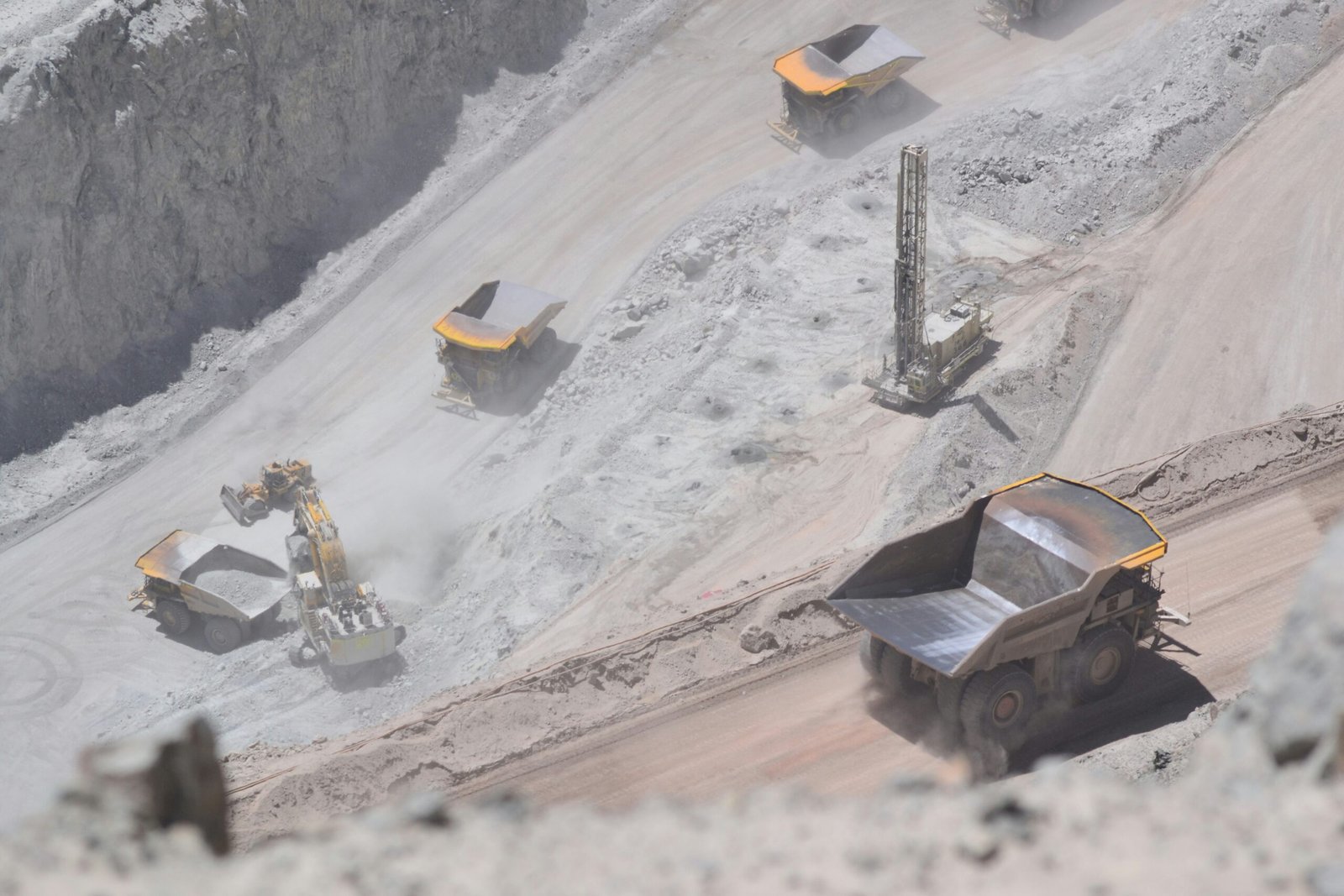
businesseconomicshub.com – Explore the dynamic mining sector in Indonesia, which is rich in natural resources and offers promising investment opportunities. This comprehensive guide covers essential aspects such as regulatory frameworks, investment risks, and the significance of sustainable practices. Investors will learn about the vital minerals like coal, gold, and nickel and their impact on the economy, while also understanding the complexities of navigating mining licenses and environmental compliance. The article emphasizes the importance of researching market trends and building strong relationships with local stakeholders to ensure successful operations. By prioritizing sustainable and responsible mining practices, investors can not only secure viable returns but also contribute positively to local communities and the environment. Dive deep into Indonesia’s mining landscape and uncover the potential it holds.
Introduction to Indonesia’s Mining Sector
Indonesia’s mining sector plays a crucial role in the nation’s economy, contributing significantly to both domestic consumption and global supply chains. As one of the largest producers of key minerals in Southeast Asia, Indonesia is an attractive destination for investors interested in mining opportunities. The country is rich in natural resources, including coal, gold, copper, tin, and nickel, which are vital for various industrial applications.
In terms of significance, the Indonesian mining sector directly impacts the economy by providing jobs, stimulating regional development, and contributing to government revenues through taxes and royalties. The mining industry is particularly important in remote areas, where it often serves as a primary driver of economic activity. Additionally, commodities mined in Indonesia are exported to various countries, enhancing the nation’s trade balance.
The current state of investment in Indonesia’s mining sector reflects a mixture of challenges and opportunities. While foreign direct investment (FDI) has shown resilience, the sector is affected by global commodity price fluctuations and regulatory changes. Indonesia has implemented various policies to attract more investment, aiming to streamline procedures and enhance investment climate. However, potential investors must navigate a complex regulatory framework that includes mining licenses, environmental compliance, and community engagement requirements.
In essence, understanding the multifaceted nature of Indonesia’s mining sector is paramount for investors. It is necessary to comprehend not only the economic importance of the mining industry but also the regulatory landscapes that govern it. As Indonesia continues to develop its resources, opportunities remain for those looking to invest in a sector that is pivotal to the country’s growth trajectory.
Understanding the Mining Regulations in Indonesia
Investing in the mining sector in Indonesia requires a thorough understanding of the legal and regulatory framework established by the government. The regulations governing mining activities in Indonesia are primarily outlined in the Mineral and Coal Mining Law, which dictates various aspects including licensing, environmental compliance, and operational protocols. It is essential for investors to familiarize themselves with these regulations to ensure compliance and minimize potential legal risks.
The first step for any prospective investor is navigating the licensing process. The government mandates that mining operations secure a Mining Business License (Izin Usaha Pertambangan or IUP) prior to commencement. This license is issued by regional governments and is contingent upon several factors, such as compliance with local regulations, proof of financial capability, and demonstration of a feasible operational plan. Investors are encouraged to engage local legal experts to assist with the licensing process, ensuring that all requirements are met efficiently.
Moreover, compliance with environmental laws is another critical aspect of mining regulations in Indonesia. The government emphasizes sustainable mining practices that protect the environment and local ecosystems, as outlined in the Environmental Protection and Management Law. Investors must submit an Environmental Impact Analysis (Analisis Mengenai Dampak Lingkungan or AMDAL) before commencing operations. This analysis explores potential environmental impacts and must include a mitigation plan, which must be followed rigorously throughout the mining lifecycle.
It is also important to note that regulations can vary significantly across different regions in Indonesia. Local governments may impose additional requirements or restrictions specific to their areas. Therefore, in-depth research into the local regulatory landscape is crucial for successful investment. Establishing strong relationships with local authorities and communities can also facilitate smoother operations and enhance compliance with region-specific regulations.
Identifying Investment Opportunities
Investing in the mining sector in Indonesia presents a plethora of opportunities for discerning investors. The first step in identifying these lucrative prospects involves thorough research on mineral deposits prevalent in the region. Indonesia is home to a rich variety of minerals, including gold, copper, nickel, and tin. Investors should utilize geological surveys and reports published by governmental and private organizations to gain insights into the locations and quantities of these mineral resources.
Understanding the market demand for various minerals is also paramount in the investment decision-making process. For instance, with the growing focus on renewable energy, the demand for nickel, primarily used in battery production, is on the rise. Investors would benefit from staying updated on global market trends, pricing fluctuations, and emerging technologies that impact the demand for different minerals. Participation in industry seminars and networking with experts can provide valuable information regarding market conditions.
Moreover, assessing the economic viability of potential mining projects is crucial. Investors must evaluate factors including project location, infrastructure feasibility, regulatory frameworks, and associated costs. Conducting a comprehensive analysis of financial projections, potential return on investment, and required initial capital can reveal whether a particular mining venture is sound. Collaborating with local experts and consulting firms can enhance this assessment, ensuring that investors are well-informed.
Investors should also consider the sustainability practices adopted by mining operations, as environmental and social governance (ESG) factors increasingly influence investment decisions globally. By conducting due diligence and aligning with projects that prioritize responsible mining practices, investors not only foster positive community relations but also enhance their portfolio’s long-term viability.
Conducting Due Diligence
Investing in the mining sector in Indonesia necessitates meticulous due diligence to mitigate risks and maximize potential returns. This process begins with a thorough assessment of the financial health of the mining companies under consideration. Investors should analyze financial statements, cash flow reports, and balance sheets to understand profitability, liabilities, and overall financial stability. A company with strong financial fundamentals is often more equipped to handle operational challenges and market fluctuations.
In addition to evaluating financials, it is crucial to assess the operational capacities of mining companies. This involves examining the efficiency of their mining processes, equipment reliability, and the expertise of their workforce. An operational audit can provide insights into the company’s ability to produce minerals sustainably and economically. Companies with robust operational practices are likely to be more resilient in facing industry challenges.
Another fundamental aspect of due diligence is the historical performance of the mining firm. Investors should investigate past projects, looking for patterns in production output, adherence to mining regulations, and any previous environmental issues. Understanding how a company has behaved historically can inform potential future performance and help avoid partnerships with firms that have a track record of mismanagement or regulatory non-compliance.
Furthermore, conducting geological studies of the mining sites is vital. These studies should provide insight into the mineral resources available, the quality of ore, and the expected lifespan of the mine. Engaging geological experts can help validate resource estimates and uncover any potential limitations or risks associated with the mining location. A comprehensive understanding of the geological landscape will enable informed decision-making in relation to investment opportunities.
Networking with Local Stakeholders
Building strong relationships with local stakeholders is paramount for anyone looking to invest in the mining sector in Indonesia. Such relationships not only facilitate smoother operations but also help in navigating the complex regulatory landscape often encountered in the industry. Start by identifying key stakeholders, which include government officials, local communities, and other industry players. Understanding their concerns and objectives is critical to laying the foundation for beneficial partnerships.
Engaging with government officials often requires a formal approach, such as attending industry conferences and government-sponsored workshops. These settings provide opportunities to discuss regulatory frameworks, understand local policies, and highlight your commitment to responsible mining practices. Establishing rapport with officials can significantly ease the process of obtaining necessary permits and licenses.
Local communities play a crucial role in mining investments. Engaging them through open dialogue and transparent communication fosters trust. Organize community meetings to share your business model and the potential benefits it brings, such as job creation and infrastructure development. Highlighting sustainable mining practices not only addresses environmental concerns but also reinforces your commitment to corporate social responsibility.
Another avenue for networking involves collaborating with other industry players. Forming alliances with established local companies can provide valuable insights into the market landscape and current operational challenges. Participating in local trade associations or industry groups can also enhance your visibility and help you build a network of contacts within the region.
Effective networking ultimately hinges on genuine engagement with local stakeholders, fostering a sense of shared purpose. By focusing on building trust and demonstrating accountability, investors can create a conducive environment for successful mining operations. These strategies will enhance your investment’s long-term viability while positively impacting the communities involved.
Evaluating Mining Risks and Challenges
Investing in the mining sector, particularly in Indonesia, presents a host of unique risks that potential investors must carefully evaluate. One of the primary concerns is geopolitical risk, which stems from the political climate and regulatory environment in the region. Indonesia’s political landscape has been known to fluctuate, and changes in government can produce shifts in mining laws and regulations. Investors should closely monitor such developments, as abrupt policy alterations can impact operational permissions and overall profitability.
Fluctuating commodity prices also pose a significant challenge in the mining sector. This volatility can arise from global market dynamics, shifts in demand, and changes in mining supply chains. Investors are advised to conduct thorough market research to understand price trends and forecasts. It is beneficial to develop a value strategy that considers worst-case scenarios to allow for financially sound decision-making, enabling investors to prepare for economic downturns that could impact commodity prices.
Environmental concerns further complicate mining investments, particularly in a diverse ecological setting like Indonesia. Mining activities can lead to deforestation, habitat destruction, and pollution, prompting regulatory scrutiny from both the government and environmental organizations. Before making investments, it is imperative to assess the environmental impact assessments (EIAs) conducted by mining companies and to understand the necessary compliance frameworks. Engaging with local communities and ensuring sustainable practices can also mitigate risks associated with public opposition, which can lead to project delays and increased costs.
In summary, while the mining sector in Indonesia offers lucrative opportunities, comprehensively understanding the associated risks is crucial for investors. By evaluating geopolitical stability, commodity price trends, and environmental implications, investors can devise effective strategies to mitigate those challenges and secure successful investments in this complex landscape.
Financing Your Mining Investment
In the mining sector, securing adequate financing is a crucial component of ensuring a successful investment. Investors looking to enter the Indonesian mining market have several financing mechanisms at their disposal. Understanding these options is vital for making informed decisions and optimizing investment outcomes.
One prevalent avenue is **equity financing**, where investors can raise capital by selling shares of a mining company. This method is appealing as it does not create debt; however, it does dilute ownership. Investors seeking equity financing often present their projects to venture capitalists or private equity firms, emphasizing the project’s potential for high returns and sustainable operational practices. Building a compelling business case is paramount, as financiers will scrutinize the viability of the project closely.
Another common option is **debt financing**, which involves borrowing funds to be paid back at a later date, usually with interest. This avenue allows owners to maintain full control over their project, but it does come with the obligation of repayment regardless of project success. Investors looking to procure debt financing need to present robust financial projections and demonstrate how they plan to manage risks associated with the mining venture.
Joint ventures represent yet another strategic approach to financing, allowing investors to pool resources and share risks with other parties. This collaboration is often beneficial, especially in large-scale mining projects, as it combines strengths and mitigates potential downsides. Careful negotiation and alignment of goals between partners are essential to ensure a successful partnership.
When approaching potential financiers, investors should be prepared with a comprehensive business plan, including risk assessments and potential returns. Establishing strong relationships with financial institutions and understanding their criteria for funding can significantly enhance the likelihood of securing necessary capital for mining investments.
Sustainable and Responsible Mining Practices
Investing in the mining sector in Indonesia presents unique opportunities, yet it also poses significant challenges, particularly concerning sustainability and responsible practices. The emphasis on sustainable mining is not merely a trend but a necessity for long-term investment success. Investors who prioritize environmental stewardship can contribute positively to the planet while ensuring compliance with increasingly strict regulations.
One pivotal aspect of sustainable mining practices is environmental stewardship. This involves minimizing the ecological impact of mining operations through proper resource management and waste reduction techniques. The use of modern technologies for exploration, extraction, and processing can enhance efficiency and diminish environmental footprints. Moreover, companies are encouraged to rehabilitate mined areas upon project completion, which can also lead to a better public image and greater community acceptance.
Another crucial factor is community engagement. Mining operations have a direct impact on local populations, and fostering positive relationships with these communities can mitigate potential conflicts. Investors should ensure that mining companies actively collaborate with local stakeholders throughout the mining process. This includes providing job opportunities, supporting local infrastructure, and respecting indigenous rights. Engaging with communities not only enhances the social license to operate but can also lead to improved project outcomes.
Adherence to ethical standards is paramount in the mining sector. Investors who demand transparency and integrity from mining companies can build a reputation that attracts further investment. This involves implementing due diligence processes that ensure compliance with global frameworks, such as the Extractive Industries Transparency Initiative (EITI) and the ISO Standards for environmental management. Ethical mining practices foster trust and accountability, which are invaluable for sustainable success.
In the competitive landscape of mining investments in Indonesia, embracing sustainable and responsible practices is not only beneficial but essential for fostering longevity and securing a positive public standing.
Conclusion and Final Thoughts
Investing in the mining sector in Indonesia presents a wealth of opportunities, but it also demands a comprehensive understanding of the local landscape, regulations, and sustainable practices. Throughout this blog post, we have highlighted several key factors that potential investors should consider when venturing into this vibrant market.
Firstly, meticulous research is paramount. Investors should familiarize themselves with the specific minerals and resources they are interested in, as well as the socio-economic and political contexts that can impact mining operations. Understanding the current trends in commodity prices and the demand for specific materials, such as nickel or coal, can aid in making informed investment decisions.
Secondly, the importance of networking cannot be overstated. Building relationships with local stakeholders, including government agencies, industry peers, and community leaders, can provide invaluable insights and help navigate the complexities of the Indonesian mining landscape. Partnering with local firms or consultants who possess expertise in the area may enhance one’s investment profile and operational effectiveness.
Finally, the integration of sustainable practices into the investment process stands crucial. As global attention shifts towards environmental responsibility, adopting eco-friendly mining techniques and contributing to community development will not only mitigate risks but can also enhance an investor’s reputation. This approach supports the ongoing transition towards more responsible and ethical mining practices, aligning profitability with positive environmental impact.
In closing, the Indonesian mining sector offers viable investment opportunities for those willing to embark on a journey marked by due diligence and strategic foresight. By prioritizing thorough research, establishing strong networks, and committing to sustainable investment practices, investors can position themselves for success in this burgeoning market. The potential rewards are significant, making Indonesia an attractive option for future investment endeavors. (**)