

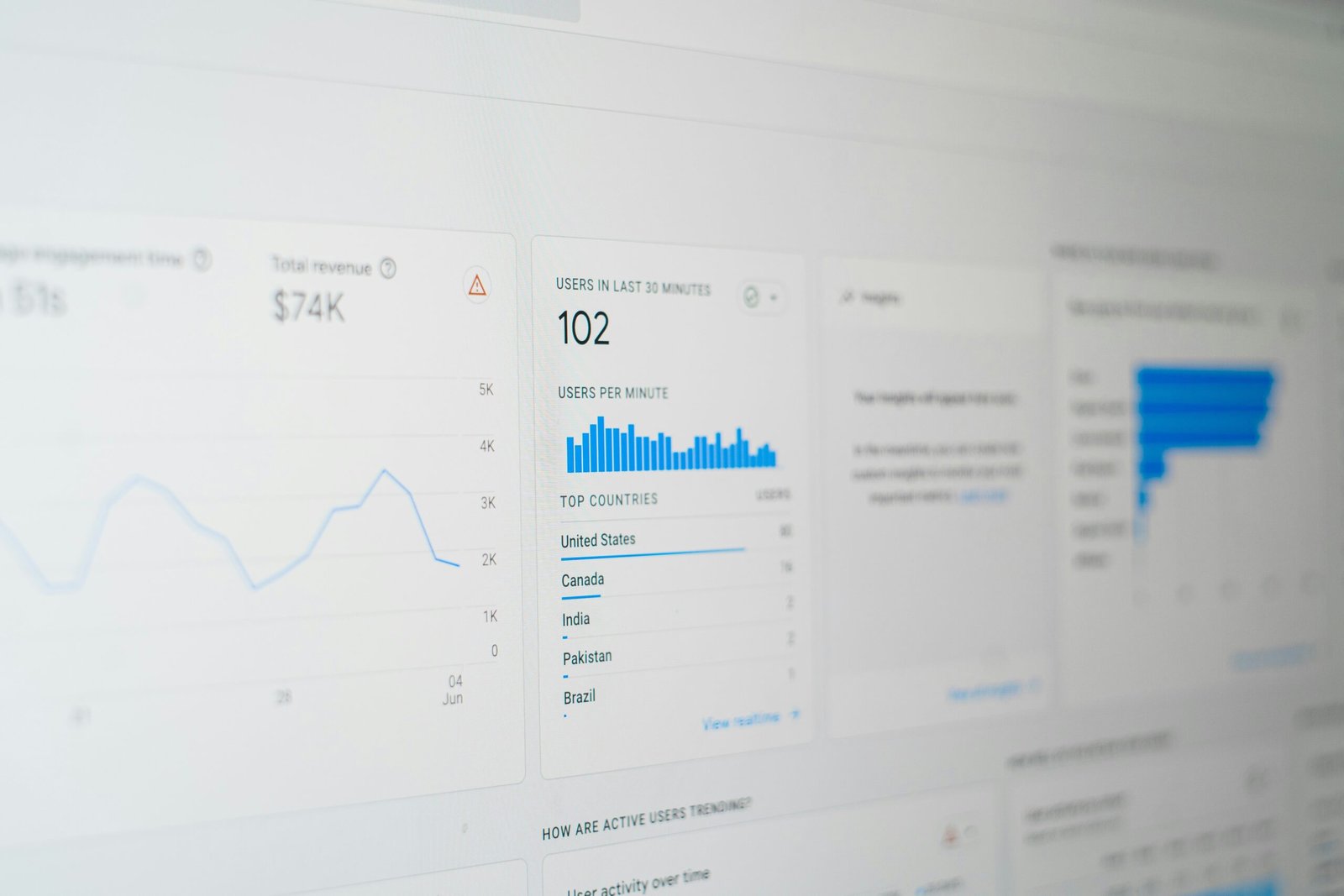
Businesseconomicshub.com – Discover the significance of data-driven segmentation in improving customer support processes and enhancing customer satisfaction. This comprehensive blog post explores how businesses can leverage customer data to categorize their audience, tailor support strategies, and boost operational efficiency. Learn the methodology for calculating Return on Investment (ROI) for segmentation efforts and identify key performance indicators that measure success. Explore real-world case studies showcasing how companies have successfully implemented data-driven insights to foster customer loyalty and optimize service efficiency. Uncover best practices for maximizing ROI through effective training, technology, and ongoing evaluation of segmentation strategies. As the future of customer support evolves with the integration of advanced analytics, businesses that prioritize data-driven segmentation will gain a competitive edge and drive sustainable growth.
Introduction to Data-Driven Segmentation
Data-driven segmentation is a method used by businesses to categorize their customer base through the analysis of data. This approach enables organizations to tailor their services and support processes to meet the distinct needs of various customer segments. As markets become increasingly competitive, understanding the specific preferences and behaviors of different customer groups is vital in enhancing customer satisfaction and boosting operational efficiency.
At its core, data-driven segmentation involves collecting and analyzing customer data, such as purchasing behavior, demographics, and interactions with the brand. This information is then used to identify patterns and similarities among customers, leading to the creation of specific segments. For example, a company may segment its customer base into categories such as frequent buyers, occasional shoppers, and new customers. Each segment can be treated with a customized strategy that aligns with its unique characteristics.
The significance of data-driven segmentation lies in its ability to improve customer experiences by allowing businesses to deploy their resources efficiently. When support processes are tailored according to the insights gathered from customer data, organizations can resolve issues more swiftly and effectively. Instead of providing a one-size-fits-all solution, data-driven segmentation empowers teams to understand their audience better, potentially leading to increased loyalty and customer retention.
Moreover, adopting a data-driven approach helps businesses identify opportunities for growth by revealing areas where customer engagement can be improved. Companies can use segmentation to forecast trends, refine marketing campaigns, and inform product development. Thus, data-driven segmentation is not merely a tactic; it is a strategic imperative that can significantly influence a business’s success in today’s data-centric landscape.
Understanding Return on Investment (ROI)
Return on Investment (ROI) is a key performance indicator used to evaluate the financial efficiency of an investment, providing insights into the profitability of various business decisions. By quantifying the returns generated from an investment relative to its cost, ROI enables organizations to assess the potential value of different strategies, particularly in areas like data-driven segmentation and support process enhancements. Understanding ROI is crucial for decision-makers, as it informs them whether the expenses related to a particular initiative yield adequate benefits.
Calculating ROI involves a straightforward formula:
ROI = (Net Profit / Cost of Investment) x 100
In this formula, net profit is derived from the total revenue generated as a result of the investment, less any costs associated with conducting the project. In the context of data-driven segmentation, this implies measuring the financial gains rooted in enhanced customer insights and improved process efficiencies against the investment made in data collection, analysis, and implementation.
Different methods can be employed to calculate ROI, each tailored to specific business contexts. One common approach involves utilizing financial metrics such as Customer Lifetime Value (CLV) and Customer Acquisition Cost (CAC). By analyzing these figures, organizations can determine the overall return generated per customer segment. Additionally, businesses may gauge effectiveness through operational metrics like improved response times, increased customer satisfaction scores, or reduced churn rates, which can further influence decision-making regarding segmentation strategies.
Ultimately, understanding and calculating ROI is integral in deciding whether investments in data-driven segmentation are justified, especially when considering the potential impact on operational efficiencies and customer engagement processes. A thorough analysis of ROI helps ensure that organizations allocate resources wisely and strategically.
The Impact of Support Process Enhancements
Support process enhancements play a pivotal role in refining customer service operations, leading to considerable improvements in customer satisfaction and overall business efficiency. By implementing systematic enhancements, organizations can better meet customer needs, streamline workflows, and reduce response times. Data-driven segmentation is key to identifying specific customer behaviors and preferences, providing the foundation necessary for these enhancements.
One prominent example of effective support process enhancement driven by data segmentation is the implementation of personalized customer interactions. By utilizing data analytics to segment customers based on their past interactions, preferences, and demographics, companies can tailor their support efforts. This not only creates a more engaging experience for customers but also allows support teams to address inquiries more efficiently, leading to higher satisfaction levels.
Another notable enhancement is the automation of routine customer service tasks. Data-driven insights can identify common customer queries and issues, thus enabling organizations to deploy automated responses or self-service options. This innovation not only expedites the resolution process for customers but also frees up valuable time for support staff to concentrate on more complex issues. As a result, businesses can achieve greater operational efficiency while maintaining high customer satisfaction.
Furthermore, the application of predictive analytics within support processes enhances the ability to anticipate customer needs. By analyzing historical data, organizations can foresee potential issues and proactively address them, significantly improving the overall customer experience. Such anticipatory measures, driven by data segmentation, often lead to higher retention rates and reduced churn.
In conclusion, support process enhancements informed by data-driven segmentation are instrumental in boosting customer satisfaction and operational efficiency. As businesses continue to leverage these strategies, they gain a competitive edge that is rooted in superior support practices.
Identifying Key Performance Indicators (KPIs)
When calculating the return on investment (ROI) for data-driven segmentation in support processes, it is essential to identify and track key performance indicators (KPIs) that align with overall business objectives. These KPIs provide an effective framework for measuring the success of segmentation efforts and assessing their impact on customer engagement and operational efficiency.
One of the most critical KPIs to consider is the customer satisfaction score (CSAT). This metric reflects how satisfied customers are with the support they receive, serving as a direct indicator of the effectiveness of segmented support strategies. Businesses can enhance their understanding of customer needs by analyzing feedback among different segments, thus tailoring their approach and ultimately improving the CSAT.
Another significant KPI is the first contact resolution (FCR) rate. This metric tracks the percentage of customer issues resolved during their first interaction with support representatives. A high FCR rate indicates efficient support processes, which is particularly important when implementing data-driven segmentation. By targeting specific customer segments with personalized support strategies, businesses can increase their chances of resolving issues promptly, ultimately enhancing customer loyalty and reducing repeat inquiries.
Furthermore, tracking the average handling time (AHT) provides insights into the efficiency of support processes. By evaluating how segmented support provides quicker resolutions, companies can work to optimize their resources and improve overall customer experience. A decreased AHT can lead to cost savings while simultaneously fostering higher client satisfaction.
Additionally, monitoring the customer retention rate (CRR) is crucial in evaluating how effective segmentation initiatives contribute to long-term business goals. High retention rates among targeted segments indicate successful engagement efforts and a positive customer experience. By consistently tracking and assessing these KPIs, organizations can effectively calculate the ROI on data-driven segmentation initiatives, enabling informed decisions that bolster support processes and customer satisfaction.
The Methodology for Calculating ROI
Calculating the return on investment (ROI) for data-driven segmentation in support process enhancements is a systematic approach that provides measurable insights into the effectiveness of the investment. The following steps outline the methodology commonly employed to determine this ROI.
First, the initial step involves gathering pertinent data. This includes quantitative metrics such as customer interactions, support request volumes, and resolution times. Qualitative data such as customer satisfaction surveys may also prove invaluable. Comprehensive data collection allows organizations to establish a baseline for comparison before implementing segmentation strategies.
The next step is to accurately measure the costs associated with implementing data-driven segmentation. This analysis should encompass direct costs such as software, training, and personnel, along with indirect costs like operational inefficiencies during the transition. By totaling these expenses, businesses can better understand the investment required for successful implementation.
Following the cost measurement, organizations should proceed to benchmark improvements. This involves comparing the pre-segmentation performance metrics to post-implementation data. Key performance indicators (KPIs), such as average resolution time and customer satisfaction rates, can offer significant insights into the overall effectiveness of the segmentation strategy. Analyzing these metrics allows businesses to gauge the extent of improvements and determine the value generated from their investment.
Finally, calculating the ROI involves the use of a straightforward formula: (Net Profit / Total Investment) x 100. Here, net profit can be derived from the revenue generated from improved support processes minus the initial investments made. By performing this calculation, organizations can derive a clear percentage that indicates the effectiveness of their data-driven segmentation efforts in enhancing support processes.
Case Studies: Success Stories and Examples
Numerous companies have successfully leveraged data-driven segmentation to enhance their support processes, resulting in improved customer satisfaction and significant returns on investment (ROI). One notable example is a leading telecommunications firm that integrated customer behavior analytics into their customer support strategy. By segmenting their customer base based on usage patterns and service needs, they were able to tailor support interventions effectively. The result was a 30% reduction in support tickets and a 25% increase in customer satisfaction scores. Furthermore, the ROI from this initiative was calculated at 150% within the first year as operational costs decreased while customer loyalty improved.
Another illustrative case can be drawn from a global e-commerce retailer which adopted data-driven segmentation techniques in their customer service operations. By analyzing purchasing histories, customer demographics, and online interactions, they identified distinct customer segments and personalized the support experience. This targeted approach not only streamlined their customer service processes but also decreased average handling time by 40%, leading to cost savings of approximately $2 million annually. The customer’s favorable response was evident through a staggering 45% increase in repeat purchases, ultimately showcasing a clear case of enhanced ROI stemming from strategic segmentation.
Moreover, a healthcare provider that implemented similar segmentation methods into patient support services observed remarkable improvements. By categorizing patients based on their health concerns and service preferences, they achieved more effective communication and follow-up strategies. This led to a 50% increase in appointment adherence and a corresponding uptick in overall patient satisfaction rates. Financially, the enhanced patient retention and reduced no-show rates resulted in a significant ROI, showcasing how effective data-driven segmentation can transform support processes in various industry sectors.
Challenges in Calculating ROI
Calculating the Return on Investment (ROI) for data-driven segmentation presents several challenges that can hinder effective analysis. One of the foremost issues is data accuracy. Inaccurate data can lead to misguided conclusions regarding the effectiveness of segmentation strategies. Businesses often grapple with incomplete datasets, which can obscure insights and reduce the reliability of ROI calculations. Therefore, ensuring data integrity is a prerequisite for any accurate ROI assessment.
Another significant challenge lies in the complexities of data integration. Organizations typically utilize various systems and platforms for data collection and analysis. The disparate nature of these systems can complicate the aggregation of data necessary for an accurate ROI calculation. Failure to harmonize data sources can result in inconsistencies that, in turn, affect the overall effectiveness of segmentation strategies. This necessitates a concerted effort to streamline data integration processes, which often entails technical hurdles and resource allocation.
The time factor also plays a crucial role in the challenges of calculating ROI. Data-driven segmentation often requires a substantial time investment for analysis and interpretation. Businesses may find it difficult to gauge the long-term effects of segmentation efforts promptly. This delayed feedback loop can impede decision-making, as stakeholders might be left with insufficient data to justify or pivot segmentation strategies effectively.
In conclusion, businesses must navigate multiple challenges when calculating ROI for data-driven segmentation. From ensuring data accuracy to addressing integration complexities and accounting for time-related issues, organizations need to adopt a strategic approach to overcome these hurdles. Only then can they gain meaningful insights and optimize their processes accordingly.
Best Practices for Maximizing ROI
To ensure that investments in data-driven segmentation yield optimal returns, businesses should adopt several best practices that enhance their support processes. The first step involves establishing clear objectives. By defining what success looks like, organizations can tailor their segmentation strategies to meet specific goals. These goals may include improving customer satisfaction, increasing retention rates, or streamlining service processes.
Another essential practice is employing the right technology. Implementing advanced analytics tools can significantly aid in the effective processing and analysis of customer data. This technology should not only facilitate segmentation but also integrate seamlessly with existing support systems, ensuring accessibility and usability of insights generated.
Furthermore, organizations should prioritize ongoing training for their staff. Employees need to understand the rationale behind data-driven segmentation and how to leverage customer insights effectively. Regular training sessions can bolster their ability to utilize these insights in engaging with clients. It is crucial that all team members are on board with the segmentation approach to facilitate a unified strategy during customer interactions.
Additionally, businesses should monitor and iterate on their segmentation efforts. Continuous measurement of performance metrics related to customer queries and support interactions can provide invaluable feedback. It is important to refine segmentation strategies based on these metrics and adjust as necessary to maximize effectiveness. Supporting this ongoing evaluation process with customer feedback mechanisms will help to better understand shifts in customer needs and preferences.
Incorporating these best practices not only supports data-driven segmentation but also enhances overall ROI in support processes. By being strategic and adaptive in their approach, businesses can create a more efficient, satisfactory customer experience that ultimately drives long-term success.
Conclusion: The Future of Data-Driven Segmentation
As organizations continue to evolve and adapt in an increasingly competitive landscape, the importance of leveraging data-driven segmentation cannot be overstated. By focusing on customer-centric strategies, companies can optimize their support processes significantly, resulting in enhanced customer satisfaction and retention rates. The investment in data segmentation tools and analytics has the potential to yield long-term benefits that exceed initial costs, paving the way for more informed decision-making and targeted marketing efforts.
The future of customer support is poised to be heavily influenced by advancements in data analytics. With the proliferation of artificial intelligence and machine learning, businesses can gain deeper insights into customer behaviors and preferences. This evolution will likely lead to more personalized support experiences, where customers receive tailored solutions based on their unique needs and historical interactions. As data sources expand, including social media and real-time engagement metrics, organizations will be able to segment their customer bases with unprecedented precision.
Moreover, investments in data-driven segmentation not only enhance customer interactions but can also optimize operational efficiencies. By analyzing segmented data, businesses can identify patterns that guide process improvements and resource allocation. As companies embrace a more agile approach to customer support, they can anticipate challenges before they arise, fostering a proactive service model.
In conclusion, embracing data-driven segmentation is not just a strategic advantage but a necessity in the modern business environment. Organizations that prioritize this approach will likely enjoy sustainable growth, improved customer loyalty, and a strong competitive edge in an ever-evolving marketplace. Looking ahead, the integration of advanced data analytics into customer support processes will redefine how businesses engage with their clientele, transforming challenges into opportunities for innovation and excellence. (**)