
BusinessEconomicsHub – Discover the breathtaking natural wonders and rich cultural heritage of Indonesia, an archipelago composed of over 17,000 islands. From the stunning beaches of Bali to the majestic volcanoes of Java and the rich wildlife of Komodo Island, Indonesia offers diverse ecosystems and unforgettable adventures. Explore iconic temples in Yogyakarta and immerse yourself in vibrant local traditions across the islands. Engage in ecotourism and experience Indonesia’s unique biodiversity while appreciating its cultural richness. Perfect for the adventurous spirit, this travel guide showcases activities for every traveler, fostering a deep appreciation for the beauty and complexity of this enchanting nation. Plan your journey today and embrace the experience of a lifetime in Indonesia!
Introduction to Indonesia’s Natural Wonders
Indonesia, the largest archipelago in the world, comprises over 17,000 islands, each possessing its own unique charm and beauty. This Southeast Asian nation is renowned for its diverse ecosystems, which span tropical rainforests, pristine beaches, and volcanic landscapes. The geographic formation of Indonesia gives rise to a stunning array of natural wonders, all of which contribute to the country’s rich biodiversity. In fact, Indonesia is home to some of the most extraordinary wildlife, including the endangered orangutans of Borneo and Sumatran tigers.
The landscapes in Indonesia are equally captivating, ranging from the iconic rice terraces of Bali to the breathtaking views offered by its numerous volcanoes, such as Mount Bromo and Mount Rinjani. Each of these natural attractions provides a glimpse into the geological processes that have shaped the islands over millions of years. Additionally, the stunning underwater ecosystems of Indonesia, particularly in areas like Raja Ampat, boast some of the richest marine biodiversity in the world, attracting divers and snorkelers from around the globe.
Tourism plays a significant role in Indonesia, not only for its economy but also for fostering awareness and appreciation of the country’s natural wonders. Visitors embark on various adventures, ranging from trekking in lush jungles to exploring cultural landmarks. The immersive experiences available in Indonesia allow travelers to connect deeply with both its nature and its vibrant, culturally rich communities. The allure of Indonesia lies in its ability to showcase the interplay between breathtaking natural beauty and its people, creating a uniquely enriching experience for all who venture to this remarkable nation.
The Iconic Beaches of Bali
Bali, often referred to as the Island of the Gods, boasts some of the most picturesque beaches in the world. Among these, Kuta, Nusa Dua, and Seminyak stand out for their unique characteristics and vibrant atmospheres. Each beach provides a variety of experiences, catering to sun seekers, adventure enthusiasts, and cultural explorers alike.
Kuta Beach is perhaps the most famous, celebrated for its long stretch of golden sand and stunning sunsets. The beach is a haven for surfers, with waves suitable for both beginners and seasoned riders. Besides surfing, visitors can indulge in sunbathing or engaging in local beachside activities. The lively nightlife is another highlight, with bars and restaurants lining the beach, creating a vibrant social atmosphere.
Nusa Dua, in contrast, offers a more relaxed and upscale environment. Known for its pristine beaches and luxury resorts, it is ideal for travelers seeking tranquility. The calm waters here are perfect for water sports, including snorkeling and paddleboarding. Nusa Dua also hosts cultural events and traditional Balinese dance performances, providing visitors a glimpse into the rich heritage of the island.
Seminyak Beach combines the best of both worlds. This area is renowned for its chic beach clubs and stylish boutiques while still providing beautiful beach experiences. Here, one can find great spots for fine dining combined with stunning beachfront views. Sunbathing and relaxation take center stage, but the lively atmosphere also invites exploration of the vibrant beach market and artisan shops.
In essence, Bali’s iconic beaches are not just about their natural beauty but also the unique cultures and activities they offer. Whether you choose the bustling Kuta Beach, the serene Nusa Dua, or the sophisticated Seminyak, each beach paints a part of the beautiful tapestry that is Bali, making it a top destination for travelers.
The Majestic Volcanoes of Java
Java, one of Indonesia’s most populous islands, is famed not only for its vibrant culture and rich history but also for its awe-inspiring volcanic landscapes. Within this enchanting island, two of the most renowned volcanoes, Mount Bromo and Mount Merapi, captivate both tourists and locals with their breathtaking beauty and rich folklore.
Mount Bromo, an iconic stratovolcano, is often regarded as the centerpiece of the Bromo Tengger Semeru National Park. A popular activity for visitors is the early morning trek to the volcanic crater, where one can witness the striking sunrise illuminating the surrounding landscape. The sea of sand that envelops the volcano adds an otherworldly quality to the experience. Trekking towards the caldera offers stunning panoramic vistas, with undulating hills and distant mountain peaks creating an unforgettable backdrop.
Additionally, Mount Merapi, one of Indonesia’s most active volcanoes, beckons adventurers with its challenging trails and unique geological features. Treks to the summit can be demanding but are rewarded with spectacular views of the surrounding countryside and the opportunity to observe the raw power of nature. Local legends about Merapi’s guardian spirits and the volcano’s periodic eruptions enrich the experience, offering insight into the cultural significance of these natural wonders.
For those considering an expedition to these magnificent volcanoes, safety is paramount. It is advisable to visit during the dry season, typically from April to October, to ensure more favorable conditions for trekking. Engaging with local guides can also enhance knowledge of the terrain and local customs, ensuring a respectful and enriching experience in this volcanic paradise. As you embark on your journey, consider embracing the natural beauty and the rich tapestry of myths associated with Indonesia’s majestic volcanoes.
Exploring the Ancient Temples of Yogyakarta
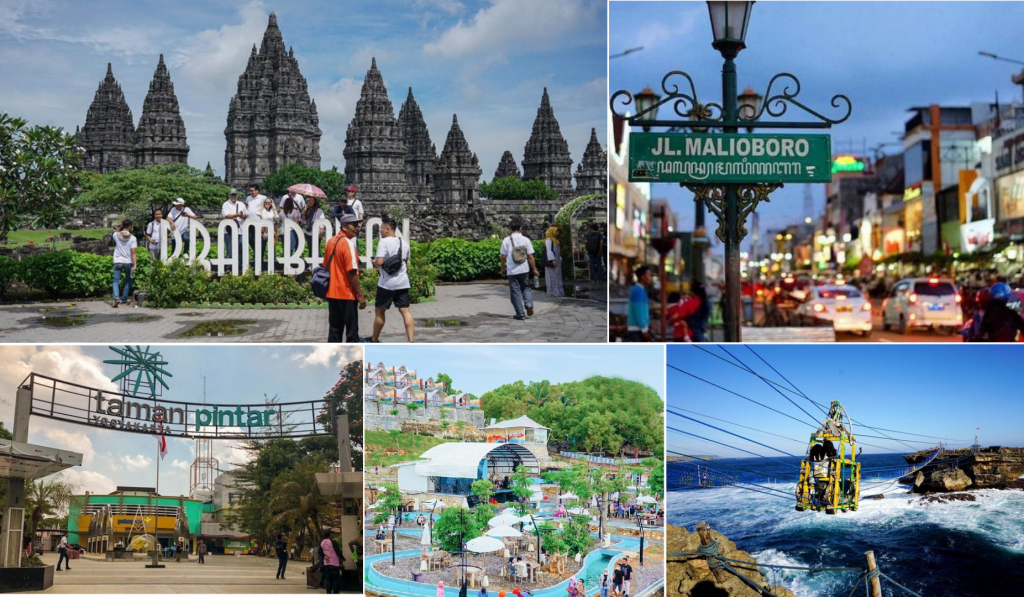
Yogyakarta, a city on the island of Java, Indonesia, is a captivating destination renowned for its rich historical background and vibrant cultural atmosphere. At the heart of its allure are the ancient temples of Borobudur and Prambanan, which stand as remarkable testaments to the region’s architectural brilliance and spiritual heritage. These temples are not merely sites of interest; they are symbols of Indonesia’s deep-rooted history, artistry, and belief systems.
Borobudur, a UNESCO World Heritage Site, is the world’s largest Buddhist temple, constructed in the 8th and 9th centuries. This magnificent structure features a stunning array of relief panels and numerous stupas, representing various stages of enlightenment in Buddhist philosophy. The temple is designed as a mandala, symbolizing the universe in stone and attracting thousands of visitors each year who come to marvel at its intricate carvings and breathtaking panoramic views of the surrounding landscape. The experience of witnessing the sunrise from Borobudur is particularly enchanting, offering a spiritual awakening of sorts as the sun casts its golden glow on this ancient monument.
Conversely, Prambanan, also a UNESCO World Heritage Site, is an impressive Hindu temple complex built in the 9th century, dedicated to the Trimurti: Brahma the creator, Vishnu the preserver, and Shiva the destroyer. This site is highly regarded for its towering structures and intricate bas-reliefs, particularly the Ramayana story depicted within the temple walls. Prambanan’s architecture showcases the glory of classical Hindu design, characterized by sharp and towering spires that touch the skies, demonstrating the advanced engineering skills of the era.
For travelers eager to explore these ancient wonders, it is vital to plan visits considering the cultural significance and local customs. Guided tours are available, and engaging with the local guides may provide deeper insights into the historical narratives that these temples embody. In addition, visitors are encouraged to respect the sanctity of these spaces, especially when participating in ceremonies that may be taking place.
The Diverse Wildlife of Komodo Island
Komodo Island, located within the Komodo National Park in Indonesia, is renowned for its remarkable wildlife, most notably the endangered Komodo dragon (Varanus komodoensis), the largest living lizard on Earth. These formidable reptiles are unique to the island, drawing wildlife enthusiasts and nature lovers from around the globe. The presence of Komodo dragons not only makes the island a focal point of biodiversity but also highlights the need for conservation efforts to protect this vulnerable species.
The island’s ecosystems encompass diverse habitats, ranging from savannas to tropical forests, providing a sanctuary for a myriad of species. Birds, including the colorful and endemic Komodo Island rat, thrive in this rich environment. Moreover, the waters surrounding the island are home to vibrant coral reefs teeming with marine life, including manta rays, sea turtles, and an array of tropical fish, enhancing the biodiversity of the region.
Conservation initiatives on Komodo Island play a crucial role in safeguarding its unique wildlife. The Indonesian government, alongside various non-profit organizations, is actively involved in monitoring and mitigating threats posed by poaching, habitat destruction, and climate change. Guided wildlife tours are offered to educate visitors about these efforts while allowing them to witness the incredible fauna in their natural habitats responsibly. These tours emphasize eco-tourism, ensuring that while visitors experience the extraordinary wildlife, they also contribute to the preservation of the island’s ecosystems.
In summary, Komodo Island is not just a destination to behold the awe-inspiring Komodo dragons, but a vital ecosystem that showcases Indonesia’s rich biodiversity. For anyone who appreciates nature and wildlife, visiting this remarkable island is an essential experience that emphasizes the importance of conservation and stewardship of our planet’s natural treasures.
The Cultural Richness of Sumatra
Sumatra, one of Indonesia’s largest islands, is renowned for its vibrant cultural diversity, resulting from a confluence of various ethnic groups. This island is home to multiple traditional tribes, including the Batak, Minangkabau, and Acehnese, each with distinct customs and practices. The Batak people, for example, are known for their unique architecture, intricate weaving, and rich oral traditions, while the Minangkabau are recognized for their matrilineal society and culinary excellence.
One of the key highlights of Sumatra’s cultural heritage is its local cuisine, which showcases a rich array of flavors and ingredients. From the famed rendang, a slow-cooked beef curry, to sambal, a fiery and bold chili paste, the food reflects the island’s agricultural bounty. Various spices, herbs, and fresh produce play pivotal roles in the preparation of traditional dishes. Food not only serves as sustenance but also as a means of cultural expression during festive occasions, where culinary traditions are often passed down through generations.
Furthermore, Sumatra is a stage for spectacular festivals that provide insight into the island’s cultural fabric. Events like the Tabuik Festival in West Sumatra and the Great Rainforest Festival in Jambi celebrate local traditions through music, dance, and art, attracting visitors from all over the world. These celebrations foster community spirits and reflect the rich heritage that is integral to the local identity.
In addition to its cultural offerings, Sumatra boasts natural wonders, including Lake Toba, the largest volcanic lake in the world, surrounded by lush landscapes and traditional villages. The rainforest habitat, part of the UNESCO World Heritage site, is home to unique flora and fauna, further establishing Sumatra as a destination that harmonizes nature with cultural prominence.
Adventurous Activities and Ecotourism in Sulawesi
Sulawesi, one of Indonesia’s largest islands, is renowned for its remarkable biodiversity and rich cultural heritage, making it a prime destination for ecotourism enthusiasts and adventure seekers alike. The island offers an array of activities that allow visitors to engage with its stunning environment while promoting sustainable tourism practices.
One of the most notable ecotourism opportunities in Sulawesi is diving in Bunaken National Marine Park. This UNESCO World Heritage Site features some of the most biodiverse waters in the world, showcasing vibrant coral reefs and a plethora of marine life. Divers and snorkelers can experience the breathtaking underwater scenery while discovering species that are endemic to the region. The park is committed to sustainable practices, encouraging visitors to respect marine conservation efforts as they explore the aquatic ecosystem.
Additionally, the Toraja region of Sulawesi captivates visitors with its unique cultural traditions and practices, particularly around funerary rituals. Engaging with the Toraja community offers insights into their customs, art, and architecture, which are deeply intertwined with the stunning landscapes of the area. Responsible tourism initiatives ensure that local communities benefit from visitor engagement, fostering a mutually beneficial relationship between travelers and residents.
For those seeking terrestrial adventures, the mountainous regions of Sulawesi present excellent hiking opportunities. Trekking through lush forests, cascading waterfalls, and scenic vistas provides a thrilling escape into nature. Various trekking routes cater to different skill levels, allowing adventurers to immerse themselves in diverse ecosystems and encounter endemic wildlife.
In essence, Sulawesi stands out as a destination where adventure and conservation go hand in hand. By practicing sustainable tourism, visitors can help protect the island’s unique natural and cultural environments, ensuring that future generations can enjoy the same breathtaking experiences.
Tips for Travelers: Navigating Indonesia
Traveling in Indonesia can be an exhilarating experience, but it requires careful planning and awareness of various local customs. For a smooth journey, understanding transportation options is essential. In major cities like Jakarta and Bali, taxis, rideshares, and motorbike taxis (known as ojek) are widely available. Public buses and the TransJakarta system also serve as affordable options for getting around, but may have limited coverage in rural areas.
When exploring more remote regions, consider renting a scooter, which is popular among locals and offers the flexibility to explore at one’s own pace. However, make sure to wear a helmet and familiarize yourself with local traffic rules to ensure safety. In addition, be cautious when traveling in rural areas where public transport may be infrequent, so planning ahead is crucial to avoid getting stranded.
Understanding cultural etiquette is equally important. Indonesians are known for their warm hospitality, and showing respect for local customs will enhance interactions. When greeting someone, a smile and a slight bow of the head signify politeness. Additionally, dress modestly, especially when visiting religious sites. In such places, wearing a sarong or a headscarf is often required. Likewise, refrain from using your left hand for greetings or passing items, as it is considered impolite.
Safety is paramount when traveling in Indonesia. Be vigilant and avoid displaying valuables, especially in crowded areas where petty theft may occur. Ensure that you stay informed about your surroundings and be cautious when exploring unfamiliar territory. It is advisable to have travel insurance that covers both medical emergencies and theft for peace of mind.
Finally, planning a well-structured itinerary can greatly enhance your experience. Allocate sufficient time to explore each destination, taking into account travel times and local festivities. Utilize travel apps or guidebooks to help identify must-see attractions and activities, maximizing your enjoyment while discovering the rich cultural tapestry of Indonesia.
Conclusion: Embracing the Journey Through Indonesia
Traveling through Indonesia represents not just a simple vacation but a transformative experience that reshapes perspectives and fosters personal growth. As visitors engage with the country’s stunning landscapes and rich cultural heritage, they find themselves immersed in the vibrant tapestry that defines Indonesia. Each island, from Bali to Sumatra, offers its unique charm, revealing the beautiful diversity that exists within the archipelago.
The journey through Indonesia also cultivates a profound appreciation for nature. The lush rainforests of Borneo, the pristine beaches of the Gili Islands, and the majestic volcanic mountains challenge visitors to reflect on the beauty and fragility of the natural world. As travelers trek through these breathtaking environments, they are often inspired to consider their role in preserving such wonders for future generations. This relationship with nature is pivotal, highlighting the importance of environmental stewardship as part of one’s travel ethos.
Cultural immersion is another essential aspect of travelling in Indonesia. By engaging with local traditions, cuisine, and customs, travelers not only enjoy unique experiences but also foster a deeper understanding of the Indonesian way of life. Embracing the hospitality of local communities allows individuals to create connections that transcend geographical boundaries, resulting in exchanges that are enriching for both visitors and hosts. Such interactions enable travelers to return home not only with souvenirs, but with enduring memories and insights.
As you set out to explore Indonesia’s beauty, approach your journey with an open heart and an inquisitive mind. Every moment has the potential to teach, inspire, and connect you to the world in profound ways, making your travels an integral part of your personal narrative. With each step, allow yourself to embrace the adventures that await, and discover how Indonesia can touch your soul in remarkable ways. (*)